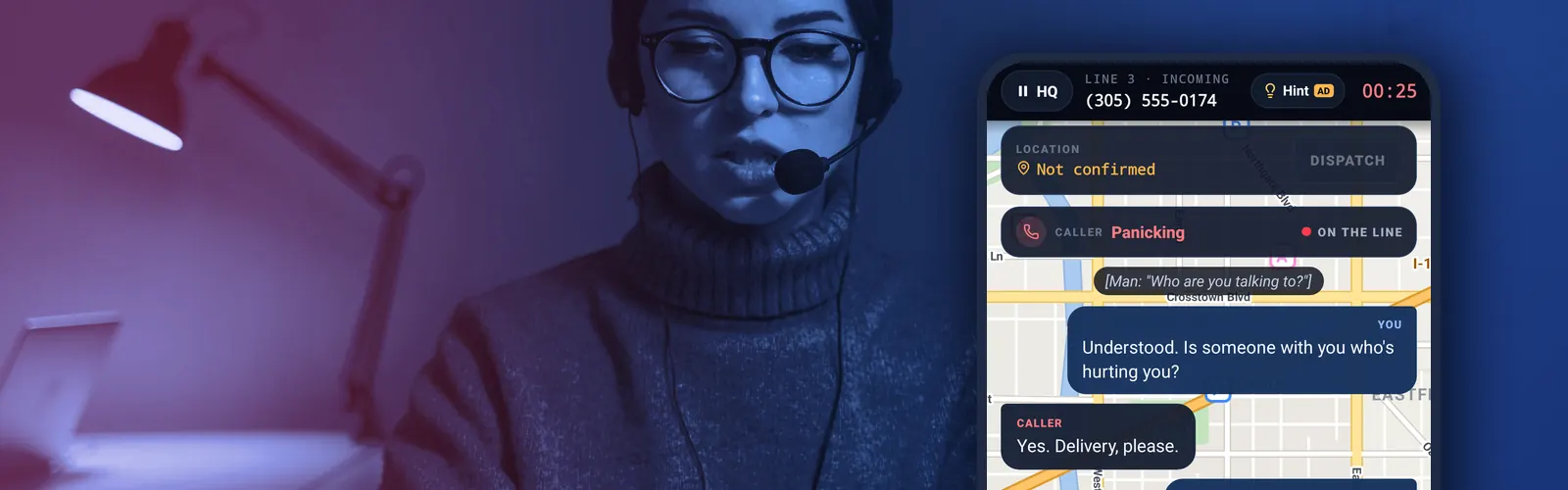
A 911 dispatcher is the first person you speak to in an emergency. Their job is to work out where you are and what's happening, get the right help moving, and keep you as safe as possible until it arrives. All of it happens in a few minutes, often while another line is ringing.
Call-taker and dispatcher
In many centers, one person does everything. In larger ones, the work is split. A call-taker answers the 911 line and gathers information, and a dispatcher works the radio, assigning police, fire or EMS units and tracking them. The official job title is often public safety telecommunicator, and the center itself is a public safety answering point, or PSAP.
What happens on a call
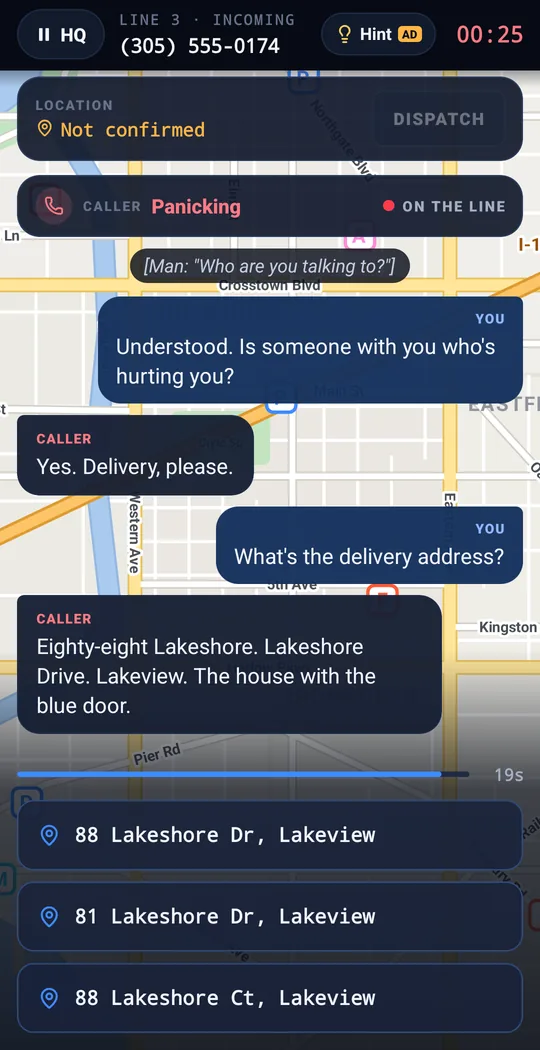
- Location. Many centers open with "911, what's the address of your emergency?" Phones send an approximate location, but it's often not exact enough to find the right door, the right apartment or the right mile marker. So the address gets confirmed out loud.
- Nature of the emergency. What happened, who's involved, whether anyone is hurt, and whether there are weapons or other dangers.
- Dispatch. The call is entered into a computer-aided dispatch (CAD) system and units are assigned, often while the call-taker is still asking questions. Asking more doesn't delay help.
- Pre-arrival instructions. Dispatchers coach callers through CPR, bleeding control, childbirth or getting out of a fire, usually from a structured protocol so nothing gets missed. More in CPR over the phone.
- Radio and updates. Dispatchers pass new information to responding units, track their status and request more resources if needed.
What makes the job hard
- Multitasking. Typing, listening, talking and watching a map at the same time.
- Incomplete information. Callers are scared, confused, hurt or unable to speak freely.
- Limited resources. On a busy night, there aren't enough units for every call at once.
- Not knowing the ending. Dispatchers often never find out what happened after the call.
- Shift work. Centers run around the clock, so nights, weekends and holidays are normal.
Try a taste of it
911 Dispatch is built around these same pressures: confirming a location from what a caller says, choosing what to ask, deciding which units to send from a small pool, and coaching the caller while help is on the way. It's fiction and it simplifies a lot, but it gives you a feel for why the job is so demanding. And unlike real dispatchers, you get a debrief at the end of every call.
Thinking about the job for real? Read how to become a 911 dispatcher.
911 Dispatch is a game. Its calls are fiction, simplified so they can be played, and nothing in it is training for real emergencies. If you need help, call 911 or your local emergency number.